Emergency Water Extraction in Glen Rock, NJ
Uncontrolled water intrusion creates an immediate structural threat to homes and businesses across Glen Rock, NJ. WaterOut specializes in high-volume emergency water extraction, deploying industrial submersible pumps and truck-mounted vacuum extractors to pull pooled water from affected properties in Glen Rock, NJ. Because water wicks into porous drywall and insulation within minutes of contact, rapid physical removal is the essential first phase of mitigation. Dispatch services across Glen Rock, NJ remain active at (800) 555-0142 every day of the year.
Need Water Pumped Out?
Speak directly with an extraction professional. Commercial equipment dispatched 24 hours a day to Glen Rock and across Bergen County.
Call this number: (800) 555-0142Emergency Water Extraction Services in Glen Rock, NJ
Emergency water extraction is the mechanical removal of standing, pooled, and absorbed liquid water from an indoor environment. Unlike general surface cleaning, professional extraction utilizes industrial-grade submersible trash pumps, truck-mounted extraction vacuums, and weighted compression tools to extract high volumes of water out of subflooring, carpets, and concrete slabs.
Our core extraction capabilities in Glen Rock include:
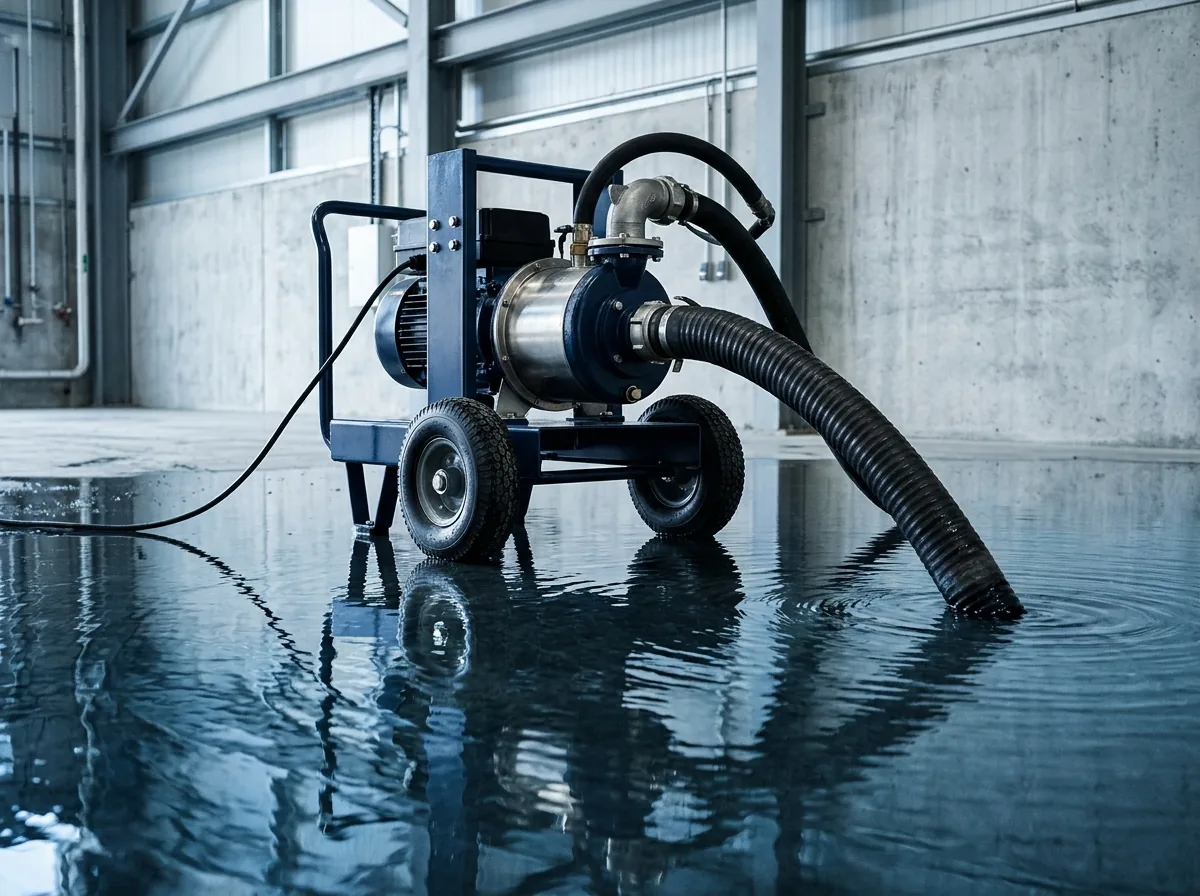
Standing Water Removal
Pumping bulk pooling water out of basements, crawlspaces, ground-level living areas, and commercial properties.
Burst and Ruptured Pipe Extraction
Extracting water released from high-pressure plumbing line breaks, frozen pipes, and failed supply valves.
Sump Pump Failure and Basement Pumping
Evacuating accumulated water when a mechanical sump pump fails during heavy rainfall or power loss.
Sewage and Contaminated Water Extraction
Safely extracting Category 3 black water caused by sewer main backups or toilet drain reversals using biohazard containment protocols.
Appliance Overflow Water Removal
Clearing deep water spread across kitchens, utility rooms, and multi-floor layouts from failed water heaters, washing machines, or dishwashers.
Structural Cavity and Subfloor Extraction
Extracting water trapped beneath finished floor coverings, behind baseboards, and inside lower wall cavities.
Water Extraction in Glen Rock, NJ: Available 24/7
Plumbing failures and localized flood emergencies do not wait for standard business hours. Water entering a structure at midnight continues to saturate framing, baseboards, and subfloors until it is physically extracted. According to guidelines from the Environmental Protection Agency (EPA) and the Centers for Disease Control and Prevention (CDC), mold spores can begin to germinate on damp organic materials within 24 to 48 hours.
WaterOut maintains active telephone dispatch 24 hours a day, 7 days a week for Glen Rock, NJ. Calling (800) 555-0142 connects you immediately with a live professional who gathers critical incident details, reviews urgent safety precautions, and coordinates the deployment of extraction units directly to your property.
Continuous emergency dispatch across Glen Rock.
Call this number: (800) 555-0142Emergency Water Extraction Near Me in Glen Rock, NJ
When dealing with rising water inside your building, working with an extraction team that understands Glen Rock makes an enormous difference. Local infrastructure, common architectural foundations, and municipal drainage patterns all influence how water moves through local properties.
WaterOut serves properties across Glen Rock, covering postal zip codes 07452. Whether your property is an older single-family residence, a newly developed subdivision, or a commercial storefront, our extraction crews bring commercial pumping equipment directly to your door. Having dedicated extraction equipment deployed in Bergen County helps protect your real estate investment from progressive water migration and long-term secondary structural deterioration.
Curious about how we extract deep subfloor water? See how the process works.
Signs You Need Water Extraction in Glen Rock, NJ
Not all water intrusion creates an immediate visible pond. Often, water travels beneath finished floorboards or inside drywall cavities, leaving subtle warning signs before structural collapse occurs. You should request professional extraction services in Glen Rock if you notice any of the following conditions:
Standing or Pooling Water
Any visible layer of liquid covering hard surfaces, basements, utility rooms, or crawlspaces.
Squishing or Saturated Carpets
Water rising to the surface when walking across rugs, wall-to-wall carpets, or commercial carpet tiles.
Warping, Cupping, or Buckling Floors
Hardwood or laminate boards swelling, crowning at the edges, or pulling away from the subfloor.
Peeling Paint and Bubbling Baseboards
Moisture wicking upward through drywall paper, causing latex paint to blister or trim to detach.
Musty or Earthy Odors
Damp smells emerging within hours of a storm or pipe leak, indicating persistent trapped moisture.
Sudden Low Water Pressure
Sudden low water pressure paired with the sound of running water inside wall cavities or crawlspaces.
Serving Every Corner of Glen Rock
We provide comprehensive emergency water extraction across the entire Glen Rock area, ensuring homeowners and business managers throughout the community have access to professional water removal.
Our technicians provide direct dispatch service across all residential subdivisions, commercial corridors, and municipal sectors of Glen Rock. Whether responding to plumbing line ruptures in established neighborhoods or storm runoff in newly developed parcels across Bergen County, our teams bring industrial extraction vacuums and submersible pumps directly to your location.
Why Glen Rock Residents Call WaterOut
WaterOut is chosen by Glen Rock, NJ residents for emergency water removal because of proven mechanical pumping protocols, honest assessments, and constant readiness.
Clear Estimates
Thorough, clear estimates for Glen Rock, NJ structures outline required extraction steps and physical mitigation needs upfront, eliminating uncertainty before equipment runs.
Round-the-Clock Phone Line
Continuous telephone dispatch at (800) 555-0142 ensures immediate access to live assistance during nighttime plumbing failures or severe weather emergencies in Glen Rock, NJ.
Standards-Based Process
All water removal practices in Glen Rock, NJ align strictly with industry-accepted IICRC S500 guidelines to ensure safe containment and sanitary extraction.
Local Knowledge
Local field experience across Bergen County ensures equipment deployment matches local structural framing styles and common basement-foundation single-family structures in Glen Rock, NJ.
Local Water Extraction Facts for Glen Rock, NJ
Water extraction requirements vary based on geographic location, local housing density, and surrounding terrain. Here is how local characteristics shape extraction services in Glen Rock:
12,076 residents
Serving a local population of 12,076 residents requires consistent operational readiness. High residential density and active commercial centers mean extraction equipment must be staged for rapid deployment across varied property types.
Bergen County
Located in Bergen County, properties in this jurisdiction share common municipal utility systems, stormwater drainage networks, and regional environmental considerations that dictate how runoff and groundwater behave during severe weather.
Mid-Atlantic
Being part of the Mid-Atlantic region means local properties face specific seasonal weather patterns, regional soil composition, and humidity profiles that influence both the speed of water intrusion and the rate of structural drying.
Ridgewood (approximately 2 miles)
Situated approximately approximately 2 miles from Ridgewood, our service routing allows efficient transit and equipment logistics between neighboring population centers.
16 Miles North of Newark
Located approximately 16 miles north of Newark, Glen Rock combines community-focused neighborhoods with access to major regional supply routes, ensuring commercial-grade pumps and drying equipment can be mobilized without supply chain delays.
Common Water Problems in Glen Rock, NJ
Water emergencies in Glen Rock stem from both internal structural failures and regional environmental factors. The table below outlines the most frequent causes of water intrusion in local homes and commercial properties:
| Incident Type | Typical Source | Water Category | Primary Extraction Challenge |
|---|---|---|---|
| Supply Line Rupture | High-pressure plumbing lines, water heaters | Category 1 (Clean) | High volume released in short timeframe; rapid saturation of drywall and subfloors. |
| Sump Pump Failure | Heavy rainfall, storm runoff, electrical outage | Category 2 (Gray) | Submerged basement flooring; mud and sediment accumulation requiring pump-out. |
| Sewer Backup | Municipal main blockage, tree root intrusion | Category 3 (Black) | Pathogenic biohazards; requires full sanitization and specialized extraction protocols. |
| Appliance Overflow | Washing machine hoses, dishwasher valves | Category 1 or 2 | Water spreading across multiple finished floor surfaces and seeping between floor joists. |
| Severe Storm Runoff | Foundation seepage, window well overflow | Category 2 or 3 | Ground water entering living spaces; perimeter saturation and soil sediment deposits. |
| Roof or Attic Leak | Wind damage, failed flashing, ice dams | Category 1 or 2 | Water traveling through ceiling drywall, insulation cavities, and light fixtures. |
What Affects the Cost of Water Extraction in Glen Rock, NJ
Every water emergency involves a unique combination of structural layout, contamination risk, and volume. Because these factors differ significantly on every property, costs are determined by the specific requirements of the physical situation.
| Cost Influencing Factor | Description of Impact on Scope |
|---|---|
| Water Contamination Category | Category 1 clean water requires standard extraction. Category 2 gray water and Category 3 black water demand extensive personal protective equipment, antimicrobial treatments, and biohazard disposal. |
| Volume and Depth of Standing Water | Shallow surface puddles require vacuum extraction units, whereas deep standing water in basements or crawlspaces requires high-volume submersible trash pumps. |
| Structural Materials Saturated | Non-porous surfaces like concrete release water easily. Porous materials like hardwood, multi-layer subflooring, and insulated drywall absorb moisture deeply and require specialized extraction mats. |
| Need for Controlled Demolition | Trapped moisture behind walls or under saturated carpet pads often requires detaching baseboards, removing unsalvageable padding, or performing precision flood cuts. |
| Accessibility of the Affected Space | Open ground-floor rooms allow straightforward equipment staging. Confined crawlspaces, attics, or multi-story buildings require specialized portable extractors and extended hose runs. |
| Elapsed Time Prior to Mitigation | Water left standing migrates further into structural framing. Prompt extraction keeps the affected footprint smaller and reduces the amount of equipment runtime required. |
To receive a clear, on-site assessment and itemized estimate tailored to your specific situation in Glen Rock, NJ, call our team at (800) 555-0142.
Call this number: (800) 555-0142What to Expect When You Call WaterOut in Glen Rock
When you contact WaterOut during a water crisis, our team follows a structured protocol to ensure safety, speed, and clear communication:
Immediate Phone Assessment: We collect key details regarding the water source, depth, property type, and safety hazards, while advising you on immediate safety steps.
Dispatch and Arrival: Our technicians arrive on site with high-capacity extraction units, pumps, and diagnostic moisture meters.
Safety Inspection and Source Identification: We confirm that electrical hazards are controlled and ensure the water source is halted.
Comprehensive Moisture Mapping: Technicians inspect the space using thermal cameras and penetrating moisture meters to locate all trapped water pockets.
Bulk Water Extraction: We deploy truck-mounted vacuums and submersible pumps to remove liquid water from floors, subfloors, and cavities.
Antimicrobial Application and Stabilization: We apply EPA-registered sanitizing washes where appropriate and prepare the property for structural drying.
Clear Documentation: We provide an itemized summary of work completed and readings taken to assist with your records or insurance claims process.
Our Water Extraction Process in Glen Rock, NJ
Thorough water extraction requires a methodical approach that prioritizes structural safety and deep liquid removal. Our physical process in Glen Rock follows five defined phases:
Hazard Assessment & Power Verification
Phase 1: Electrical Verification and Safety Quarantine. Prior to stepping into pooled water in Glen Rock, NJ, crews inspect the electrical service panel. In accordance with ESFI recommendations, power to affected circuits is isolated to protect occupants and workers.
High-Volume Physical Extraction
Phase 2: High-Capacity Bulk Water Evacuation. Truck-mounted vacuum systems and heavy-duty submersible pumps extract standing liquid from Glen Rock, NJ floor surfaces, pulling hundreds of gallons per minute from basements, utility rooms, and living spaces.
Cavity Inspection & Controlled Relief
Phase 3: Controlled Structural Openings and Wall Cavity Access. In flooded Glen Rock, NJ structures, saturated baseboards are detached and horizontal relief cuts are executed at least one foot above wet drywall, venting trapped moisture reservoirs inside wall framing.
Sanitization & Containment
Phase 4: Antimicrobial Treatment and Surface Decontamination. Surfaces across Glen Rock, NJ properties exposed to Category 2 gray water or Category 3 black water are treated with hospital-grade antimicrobial solutions to neutralize pathogenic bacteria.
Diagnostic Verification & Transition
Phase 5: Moisture Mapping and Baseline Confirmation. Calibrated moisture meters and thermal imaging cameras document moisture levels across all structural components in Glen Rock, NJ, confirming all liquid has been extracted prior to structural drying.
Serving Glen Rock, NJ and Surrounding Areas
In addition to serving properties within Glen Rock, we extend our emergency water extraction services to neighboring communities across Bergen County and the surrounding region:
Emergency Water Extraction in Ridgewood
Providing 24/7 standing water removal, burst pipe cleanup, and emergency extraction for properties in Ridgewood.
Emergency Water Extraction in Fair Lawn
Providing 24/7 standing water removal, burst pipe cleanup, and emergency extraction for properties in Fair Lawn.
Emergency Water Extraction in Hawthorne
Providing 24/7 standing water removal, burst pipe cleanup, and emergency extraction for properties in Hawthorne.
Emergency Water Extraction in Midland Park
Providing 24/7 standing water removal, burst pipe cleanup, and emergency extraction for properties in Midland Park.
Local Landmarks and Neighborhoods in Glen Rock
Our technicians know Glen Rock well, from its historic central areas to expanding residential communities.
Neighborhoods
We deliver localized extraction services throughout established communities across Glen Rock. Understanding the prevalent foundation types and plumbing configurations in these areas ensures our crews bring the exact tools needed for each home.
Seasonal Tips for Glen Rock, NJ
Understanding how seasonal climate shifts impact residential and commercial buildings in Glen Rock, NJ is vital for avoiding unexpected indoor flooding throughout the calendar year.
Spring
During spring, Glen Rock, NJ properties frequently encounter spring rain fronts and rising groundwater levels. Persistent rains saturate perimeter soils and raise local water tables.
Summer
Summer conditions in Glen Rock, NJ often trigger intense summer thunderstorms causing sudden basement seepage. High-volume convective storms test exterior flashing, window wells, and storm drains.
Fall
Fall conditions across Glen Rock, NJ present challenges from fall nor'easter rainfall overburdening residential drainage. Leaves and windblown debris clog roof gutters and foundation downspout extensions.
Winter
Winter in Glen Rock, NJ brings acute structural and plumbing threats associated with winter pipe freezes in unheated crawlspaces and basement corners. Sub-freezing temperatures freeze water inside uninsulated pipes.
Glen Rock, NJ Water Extraction FAQs
Q:How does local building construction in Glen Rock, NJ impact water extraction procedures?
Building layouts across Glen Rock, NJ and Bergen County often feature common basement-foundation single-family structures. Structural materials like concrete slabs release surface water readily under vacuum pressure, whereas crawlspaces and subfloor assemblies require specialized suction mats and directional air relief to dislodge moisture trapped between floor layers.
Q:Why is rapid water extraction critical for foundation types common to Glen Rock, NJ, Bergen County, NJ?
Foundations across Bergen County frequently interact with regional soil moisture and groundwater tables. When water pools on structural slabs or within common basement-foundation single-family structures in Glen Rock, NJ, lingering hydrostatic pressure can push water into adjoining wall assemblies, making prompt mechanical extraction essential to protect structural integrity.
Q:What role does local jurisdiction drainage in Glen Rock, NJ, Bergen County, NJ play in basement water extraction?
Municipal stormwater networks and regional topography across Bergen County dictate how storm runoff discharges during heavy rainfall. When storm sewers reach capacity in Glen Rock, NJ, backpressure can force water into basement floor drains, requiring specialized Category 3 black water extraction protocols.
Q:How quickly does water need to be extracted from an indoor structure in Glen Rock, NJ?
Water should be physically extracted from Glen Rock, NJ properties as soon as safely possible. According to the EPA and CDC, mold spores can begin germinating on damp organic materials within 24 to 48 hours. Fast mechanical extraction also stops water from wicking higher into drywall and warping hardwood floors.
Q:Why is extraction more energy-efficient than air drying alone in Glen Rock, NJ?
Extracting water mechanically from a Glen Rock, NJ property in liquid form removes water roughly 1,200 times faster in terms of energy consumption than evaporating water into vapor. Relying solely on dehumidifiers to evaporate deep standing pools in Glen Rock, NJ causes excessive humidity spikes and increases structural secondary damage.
Q:Why must electrical circuit breakers be inspected before water pumping begins in Glen Rock, NJ?
Water conducting through energized wiring can electrify standing water throughout a Glen Rock, NJ structure. Disconnecting circuit breakers before setting foot into standing water protects technicians and property occupants from lethal voltage shocks.
Q:Why should ordinary shop vacuums not be relied upon for large-scale flooding in Glen Rock, NJ?
Household and utility shop vacuums lack continuous discharge pumps, small tank capacities, and specialized lift capability needed for deep structural extraction in Glen Rock, NJ. They fill within seconds and do not possess the vacuum pressure to pull water out of subflooring.
Q:What is secondary water damage and how does fast extraction prevent it in Glen Rock, NJ?
Secondary damage in Glen Rock, NJ buildings refers to destruction caused by elevated relative humidity rather than direct liquid contact, including sheetrock sagging, peeling wallpaper, and mold colonization. Fast extraction removes the moisture source before ambient humidity rises to damaging levels.
Request Emergency Water Extraction in Glen Rock, NJ
Water standing on floor assemblies in Glen Rock, NJ rapidly weakens subflooring, warps finished surfaces, and creates dangerous microbial conditions. WaterOut operates high-capacity extraction units 24/7 across Bergen County.
Halt progressive water migration in Glen Rock, NJ and protect structural framing by extracting pooled liquid immediately. Contact our 24-hour dispatch desk at (800) 555-0142 to stage commercial extraction equipment at your Glen Rock, NJ building.